Could Gluten Be the Hidden Trigger? Check Your Celiac Antibody Status From Home
A Simple Finger-Prick Blood Test — This Celiac Awareness Month
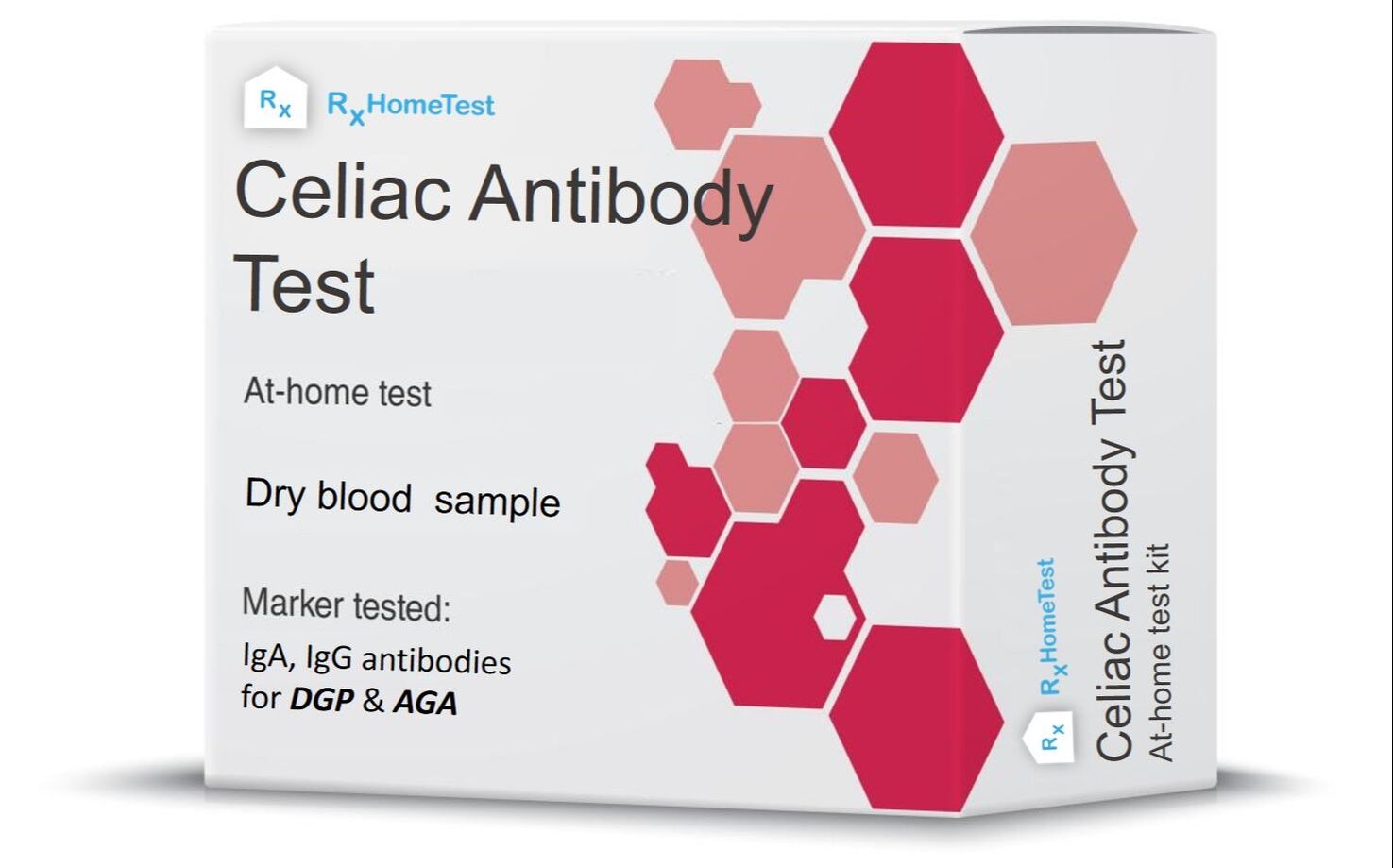
🌾 May is National Celiac Awareness Month — and it's a meaningful time to pause and ask a question many people never think to ask: Could gluten be playing a role in how I feel?
Celiac disease is an autoimmune condition in which the immune system reacts to gliadin — a protein found in wheat, barley, rye, and triticale. Over time, that reaction can damage the intestinal lining and contribute to symptoms ranging from digestive discomfort to fatigue, skin issues, and more. What makes it especially easy to miss: many people with celiac have few or no obvious symptoms at all.
A Mayo Clinic study found that nearly half of first-degree relatives of celiac patients tested positive — regardless of symptoms. The rate may be even higher in people who already have another autoimmune condition, such as thyroid disease or type 1 diabetes.
The At-Home Celiac Antibody Test from RxHomeTest offers a simple, accessible way to check your immune response to gluten — from home, using just a finger-prick blood sample.
🧬 What Is the Celiac Antibody Test?
|
The At-Home Celiac Antibody Test uses a simple finger-prick (dry blood spot) sample to check four key immune markers associated with gluten sensitivity and celiac disease:
|
|
Both IgA and IgG are included because some people with celiac disease have an IgA deficiency — meaning an IgA-only test could miss them entirely. This four-marker panel gives a more complete picture.
🤔 Who Might Want to Consider This Test?
This test may be worth exploring for anyone who has noticed patterns like:
- Recurring digestive symptoms — bloating, gas, diarrhea, or constipation
- Persistent fatigue or low energy that's hard to explain
- Brain fog or difficulty concentrating
- Unexplained skin rashes or itching (including conditions like dermatitis herpetiformis)
- Headaches or joint discomfort without a clear cause
- A family history of celiac disease or gluten intolerance
- A personal history of another autoimmune condition, such as thyroid disease or type 1 diabetes
Celiac disease has a strong genetic component — certain gene variants (DQ2 or DQ8) are associated with susceptibility. If you've already taken the Celiac Genetic Test, the antibody test is the natural next step: where genetic testing assesses risk, antibody testing checks whether that immune response is actually present.
⚠️ Important: This test is most accurate if you are currently eating gluten regularly. Those on a gluten-free diet at the time of testing may show lower antibody levels and less reliable results.
|
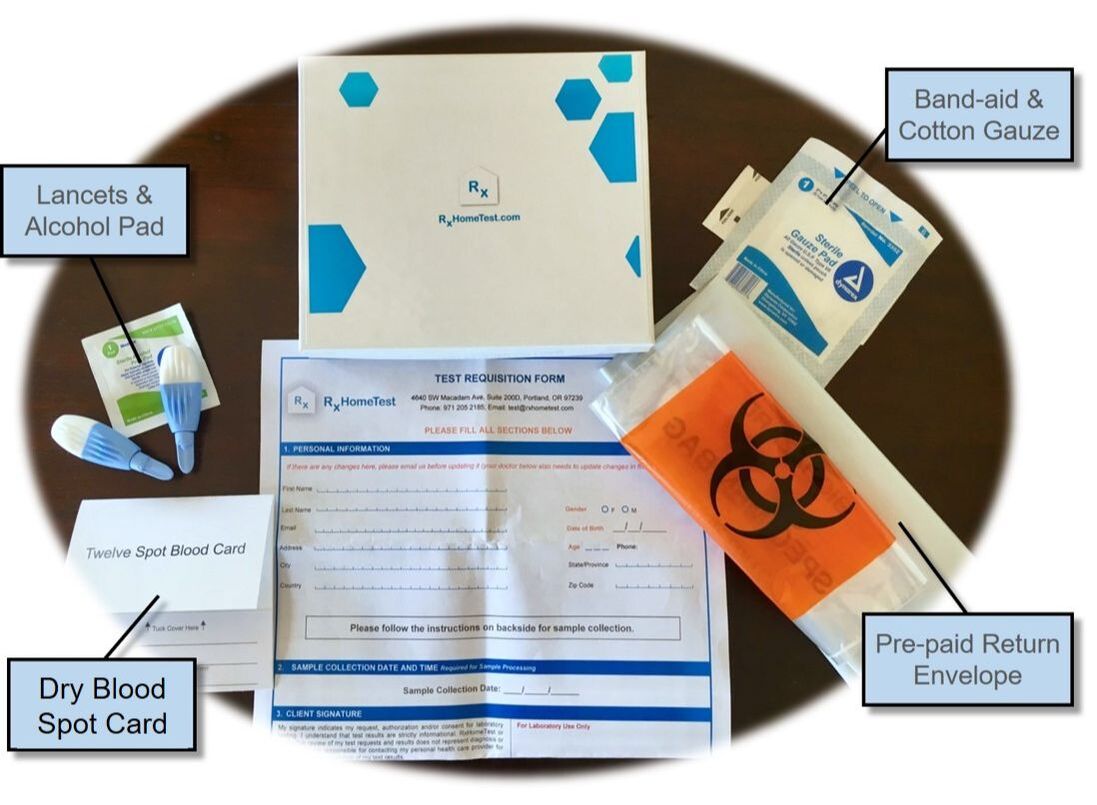
📦 How the At-Home Test Works
|
|
No lab visits, no separate doctor's appointments needed — a doctor's prescription is included with every order. No blood draw at a clinic. The kit includes all collection supplies and easy-to-follow instructions.
💙 A Note from Dr. Paul
Celiac disease is one of those conditions that can quietly shape a person's health for years before anyone connects the dots. It runs in families. It overlaps with other autoimmune conditions. And because it doesn't always present the way people expect, it's often missed — or attributed to something else entirely.
There is currently no cure for celiac disease. But knowing your antibody status is a meaningful first step — it opens the door to dietary changes, proper monitoring, and working with a provider to protect your long-term health.
During Celiac Awareness Month, I think it's worth asking the question — especially if you have a family history, if you already have a thyroid condition or another autoimmune issue, or if you've simply had digestive symptoms that haven't had a clear explanation.
This at-home antibody test is not a diagnosis. But it is information — and information is where informed decisions begin. If your results raise questions, bring them to a healthcare provider you trust for context and guidance on next steps.
Wishing you clarity and steady health,

Dr. Paul (retired)
#CeliacAwarenessMonth, #CeliacDisease, #GlutenIntolerance, #AtHomeTesting, #CeliacAntibodyTest, #DrPaulApproved, #RxHomeTest, #GlutenFree, #MayHealth, #KnowYourLevels, #InformedWellness, #AutoimmuneHealth, #KidsFirst4Ever
DISCLOSURE: This post contains affiliate links. If you make a purchase through them, we may earn a small commission at no extra cost to you. This helps keep our work independent. Thank you for your support.
The information provided in this content is for informational and educational purposes only and is not intended as medical advice, diagnosis, or treatment. It is not a substitute for consultation with a qualified healthcare professional. Always seek the advice of your physician or other licensed healthcare provider before making any medical decisions, including starting any new diet, supplement regimen, exercise program, or wellness protocol. Never disregard professional medical advice or delay seeking treatment because of something you have read here. The use of this information is at your own risk. This content does not establish a doctor-patient relationship. Statements regarding dietary supplements have not been evaluated by the Food and Drug Administration (FDA) and are not intended to diagnose, treat, cure, or prevent any disease. If you experience any adverse reactions or medical concerns, discontinue use immediately and consult a medical professional.
The information provided in this content is for informational and educational purposes only and is not intended as medical advice, diagnosis, or treatment. It is not a substitute for consultation with a qualified healthcare professional. Always seek the advice of your physician or other licensed healthcare provider before making any medical decisions, including starting any new diet, supplement regimen, exercise program, or wellness protocol. Never disregard professional medical advice or delay seeking treatment because of something you have read here. The use of this information is at your own risk. This content does not establish a doctor-patient relationship. Statements regarding dietary supplements have not been evaluated by the Food and Drug Administration (FDA) and are not intended to diagnose, treat, cure, or prevent any disease. If you experience any adverse reactions or medical concerns, discontinue use immediately and consult a medical professional.